
Ensuring Safety in the Use of Rubber Pipe Test Plugs Best Practices and Guidelines
- Mountainview Systems
- Jun 13
- 3 min read
Rubber pipe test plugs play a crucial role in plumbing, construction, and maintenance projects. They provide a reliable method to seal pipes temporarily during pressure testing, repairs, or inspections. However, improper use of these plugs can lead to accidents, equipment damage, or project delays. Understanding how to safely install, remove, and maintain rubber pipe test plugs is essential for anyone working with piping systems.
This article explores the importance of rubber pipe test plugs, outlines safety guidelines for their use, highlights common hazards, and offers practical tips for maintenance and inspection. Whether you are a plumber, contractor, or maintenance professional, these best practices will help you work safely and efficiently.
Why Rubber Pipe Test Plugs Are Important
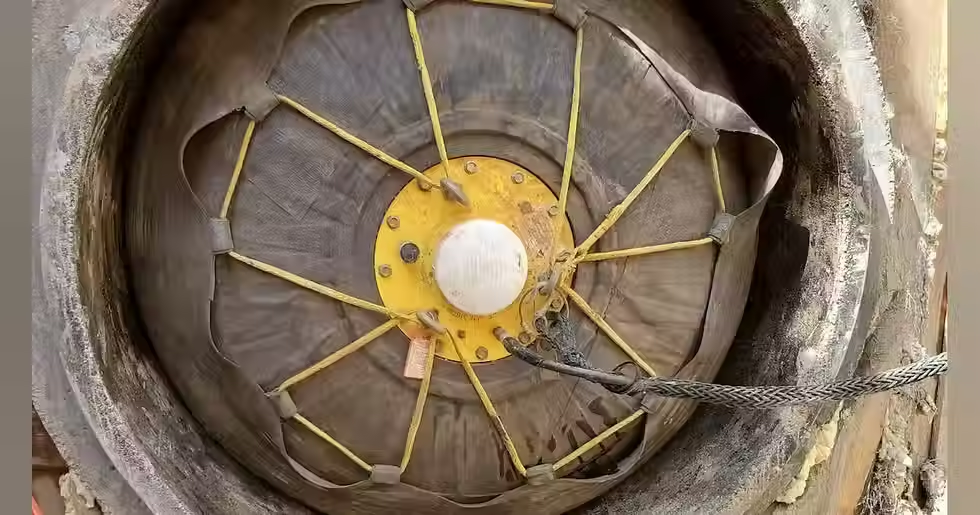
Rubber pipe test plugs seal off sections of pipe to allow for pressure testing or isolation without fluid leakage. Their flexibility and sealing ability make them ideal for a variety of pipe materials and diameters. Here are some key reasons why they are widely used:
Versatility: Suitable for different pipe sizes and materials such as PVC, cast iron, steel, and concrete.
Temporary Seal: Provide a quick and effective seal during pressure tests or repairs.
Cost-Effective: Reusable and reduce the need for permanent pipe modifications.
Safety: Prevent leaks that could cause environmental damage or hazards to workers.
Using the right type of rubber test plug and following proper procedures ensures the integrity of the pipe system and the safety of personnel.
Safety Guidelines for Installation and Removal
Installing and removing rubber pipe test plugs requires attention to detail and adherence to safety protocols. Here are essential steps to follow:
Installation
Select the Correct Plug Size
Measure the pipe diameter accurately. Using a plug that is too small or too large can cause failure or damage.
Inspect the Plug Before Use
Check for cracks, tears, or signs of wear on the rubber. Damaged plugs should never be used.
Clean the Pipe Interior
Remove debris, rust, or scale from the pipe surface to ensure a proper seal.
Lubricate the Plug
Use a manufacturer-recommended lubricant to ease insertion and prevent damage.
Insert Carefully
Insert the plug evenly and avoid forcing it. Uneven pressure can cause the plug to slip or burst.
Apply Pressure Gradually
When inflating or expanding the plug, increase pressure slowly to avoid sudden failures.
Removal
Release Pressure Safely
Before removing the plug, ensure all pressure is released from the pipe to prevent sudden ejection.
Use Proper Tools
Use tools designed for plug removal to avoid damaging the plug or pipe.
Inspect After Removal
Check the plug and pipe for any damage or wear that may require attention.
Common Hazards and How to Avoid Them
Working with rubber pipe test plugs involves risks that can be minimized with awareness and proper precautions.
Plug Blowout
If a plug is not sized correctly or installed improperly, it can blow out under pressure, causing injury or damage.
Avoidance: Always use the correct size and follow installation steps carefully. Never exceed the recommended pressure limits.
Chemical Exposure
Some pipes carry hazardous chemicals that can degrade rubber plugs or pose health risks during handling.
Avoidance: Verify chemical compatibility of the plug material. Use personal protective equipment (PPE) such as gloves and goggles.
Pinching and Crushing Injuries
Handling heavy pipes and plugs can cause hand injuries.
Avoidance: Wear protective gloves and use mechanical aids when handling large plugs or pipes.
Environmental Hazards
Leaks during testing can contaminate soil or water.
Avoidance: Conduct tests in controlled environments and have spill containment measures ready.
Tips for Proper Maintenance and Inspection
Maintaining rubber pipe test plugs extends their service life and ensures safety during use.
Regular Inspection
Check plugs for cracks, brittleness, or deformation before and after each use.
Clean After Use
Wash plugs with mild soap and water to remove dirt and chemicals. Avoid harsh solvents.
Store Properly
Keep plugs in a cool, dry place away from direct sunlight and ozone sources to prevent rubber degradation.
Follow Manufacturer Guidelines
Adhere to recommended pressure limits, storage conditions, and replacement intervals.
Record Usage
Maintain logs of plug use and inspections to track wear and schedule replacements.
Summary
Rubber pipe test plugs are essential tools for sealing pipes during testing and maintenance. Using them safely requires selecting the right size, following careful installation and removal procedures, and being aware of potential hazards. Regular inspection and proper maintenance keep plugs in good condition and prevent accidents.


