
Preventing Workplace Fires: Essential Safety Practices for Industrial Sites
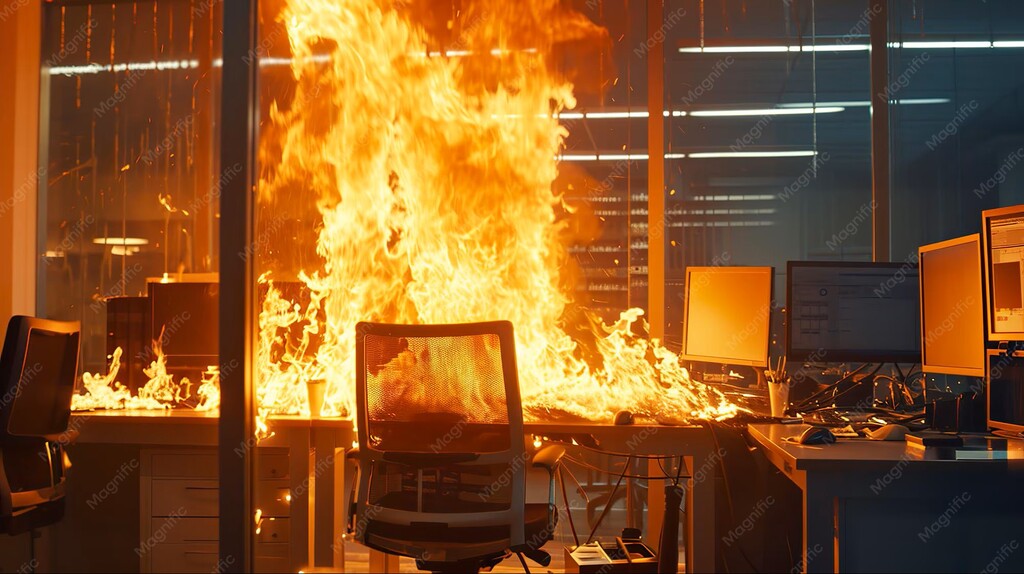
Workplace fires pose some of the most destructive and immediate hazards in industrial environments. While facilities and job sites are equipped with fire suppression systems and safety gear, these measures are only effective when proper prevention protocols, daily awareness, and strict safety guidelines are consistently followed.
Most workplace fires are not the result of unavoidable accidents. They are usually caused by poor housekeeping, improper handling of flammable materials, electrical hazards, neglected maintenance, or a failure to follow established safety protocols.
Understanding these common risks can help improve facility safety, protect personnel, reduce operational downtime, and prevent catastrophic incidents.
1. Improper Storage and Handling of Flammable Materials
Flammable liquids, gases, and combustible dust require strict storage and handling procedures.
A storage practice suitable for an office supply room is entirely inappropriate for industrial solvents, propane cylinders, or chemical agents.
Before handling or storing flammable materials, consider:
- Proper ventilation and temperature control
- Approved safety cabinets and containers
- Separation from ignition sources and oxidizers
- Safe disposal methods for oily rags and waste
- Clear labeling and material safety data sheet (MSDS) availability
Securing proper storage and handling protocols from day one is critical to mitigating facility-wide fire risks.
2. Overlooking Electrical Hazards
Faulty wiring, overloaded circuits, and damaged equipment are among the leading causes of industrial and commercial fires.
Electrical systems can degrade over time due to:
- Aging wiring and overloaded extension cords
- Moisture exposure and dust accumulation
- Loose connections or bypassed circuit breakers
- Improperly rated equipment for hazardous locations
Electrical panels and machinery must always match actual operational loads rather than initial design assumptions. Regular inspections should be performed, especially in high-demand industrial zones or after facility expansions.
3. Neglecting Good Housekeeping and Combustible Debris
Accumulated trash, packaging materials, sawdust, and scrap materials provide the fuel necessary for a small spark to turn into a major blaze.
Workers sometimes allow:
- Combustible waste to pile up near heating units or exits
- Dust layers to accumulate on overhead beams or machinery
- Blockage around electrical panels and fire doors
Fire prevention relies heavily on maintaining a clean, orderly workspace. Routine clean-up schedules ensure that fuel sources are minimized across the facility.
4. Unsafe Hot Work Practices
Welding, cutting, grinding, and brazing generate sparks and intense heat that can easily ignite nearby materials.
Common hot work oversights include:
- Failing to clear combustible materials within a 35-foot radius
- Neglecting to use fire blankets or welding screens
- Not having a dedicated fire watch present during and after work
- Inadequate ventilation in confined spaces
Every hot work task must be executed under a strict permit system and in compliance with site safety requirements. If there is any uncertainty about surrounding hazards, halt operations until the area is verified safe.
5. Inadequate Maintenance of Heating and Mechanical Equipment
Industrial heaters, engines, and mechanical systems experience significant thermal wear and tear during daily operations.
Before and during operation, inspect for:
- Worn or frayed wiring and fuel line leaks
- Exhaust system integrity and heat shield damage
- Accumulation of grease or debris on hot engine components
- Restricted airflow around ventilation units
Any damaged or overheating equipment should be shut down and serviced immediately. Regular preventive maintenance helps ensure that mechanical systems operate safely under peak loads.
6. Blocking Exits and Fire Suppression Equipment
Emergency preparedness is frequently overlooked during busy shifts. Workers and equipment must never obstruct escape routes or safety hardware.
Proper planning must include:
- Clear, unobstructed pathways to emergency exits
- Unrestricted access to fire extinguishers and pull stations
- Visible emergency lighting and directional signage
- Designated outdoor assembly points
Good emergency access planning protects lives and ensures swift response times if an incident occurs.
7. Failing to Train and Prepare Personnel
Equipment and safety systems are only as reliable as the people operating them.
All staff should understand:
- The location and proper operation of fire extinguishers (PASS method)
- Facility evacuation routes and alarm procedures
- Who to contact in the event of an emergency
- The specific fire risks associated with their daily tasks
Regular safety meetings and fire drills reinforce these critical habits across all shifts and departments.
Choosing the Right Fire Safety Solution
Different work areas require tailored preventive approaches.
Common protective measures include:
- Automated fire suppression and sprinkler systems
- Certified ABC and specialized chemical fire extinguishers
- Spark containment and ventilation systems
- Comprehensive employee safety training programs
Each measure offers distinct advantages depending on facility layout, material inventories, and operational workflows. Implementing a robust fire safety strategy significantly reduces risk while maintaining a secure work environment.
Final Thoughts
Most workplace fires can be prevented through proactive planning, strict adherence to safety protocols, diligent housekeeping, and ongoing equipment inspections.
Fire safety is one of the most vital responsibilities on any industrial site. Taking the time to understand environmental risks and correct dangerous habits helps protect personnel, safeguard assets, and keep operations moving forward securely.
If you need assistance evaluating your facility's fire safety requirements or need guidance on safety equipment for your next project, the team at Mountainview Systems can help review your site conditions and recommend reliable solutions.
Mountainview Systems
November 2, 2026